
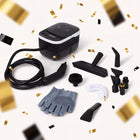
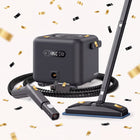
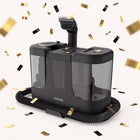
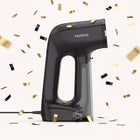


Let’s be honest: No one loves scrubbing grout or standing with their head inside the oven. But you don’t have to. A steam cleaner does the hard work with hot steam and ordinary tap water - without spray bottles, chemical residue, or having to get down on your knees.
In this guide, you’ll find answers to how a steam cleaner works, where it makes the biggest difference in your home, and what to look for if you’re considering buying one.
Why steam beats chemicals
Ordinary cleaning products work by dissolving dirt chemically. Steam does the same with heat and pressure. When steam of up to 100 °C hits a surface, it loosens grease, limescale, and ingrained dirt - and the only thing left behind is a little moisture, which you wipe away with a microfiber cloth.
That means three things for you: You save money on cleaning products, avoid chemicals on surfaces touched by children and pets, and reach places a cloth never can - cracks, grout, and crevices.
How a steam cleaner works
- You fill the tank with ordinary tap water.
- The appliance heats the water and creates steam under pressure.
- The steam penetrates the dirt and loosens grease, limescale, and bacteria.
- A microfiber cloth, brush, or nozzle picks up the loosened dirt.
- The surface dries in just a few seconds - without streaks or residue.
Room by room: Where steam makes the biggest difference
The bathroom
This is where most people have their biggest aha moment. Limescale on fixtures and shower screens, dark grout, and deposits around the drain are exactly the kind of dirt steam is made for. Use the narrow nozzle on the grout and the small round brush around the faucet, then wipe with a cloth.
The kitchen
Grease on the cooktop, baked-on residue in the oven, and the film on the range hood dissolve with heat, so you can wipe them away instead of scrubbing. Steam is also great for the sink, tiles behind the stove, and corners of cabinets where crumbs collect.
Textiles and furniture
Sofas, mattresses, curtains, and car seats can be freshened up with steam, which also removes odors and dust mites. Use even, quick movements and keep your distance from very delicate fabrics. Do not steam silk, leather, or untreated wood - and if you’re unsure, always test an inconspicuous area first.
The right nozzle for the job
A steam cleaner is only as good as the accessories that come with it. With the right nozzles, one appliance can handle the whole home:
- Narrow nozzle for grout, edges, and fixtures
- Round brushes for ingrained dirt on tiles and in the oven
- Window squeegee for mirrors, windows, and shower screens
- Microfiber bonnet for sofas, mattresses, and smooth surfaces
- Extension tubes for floors and places you would otherwise have to kneel to reach
What to look for when buying a steam cleaner
Steam cleaners come in all price ranges, and the difference rarely lies in whether they can produce steam - but in how quickly, how long, and how conveniently. Look for:
- Steam pressure - 3–4 bar is more than enough for the home. More pressure does not automatically mean a cleaner result.
- Heating time - don’t wait 5 minutes to get started. Under 30 seconds is comfortable.
- Tank and runtime - 30–40 minutes covers an entire bathroom without needing a refill.
- Weight and cord - a handheld appliance weighing around one kilo is easy to use above your head and in the car.
- Accessories - the more nozzles, the more tasks you can handle with one appliance.
Rennoa™ SteamCleaner is designed specifically for the home: It’s ready in 15 seconds, delivers up to 4 bar of steam pressure, runs for up to 40 minutes on one tank, and comes with 8 nozzles. And because it only uses water, it’s also one of the cheapest cleaning solutions you can buy - it costs nothing to operate.
Frequently asked questions about steam cleaners
Can I use a steam cleaner on laminate and hardwood floors?
Yes, if the floor is lacquered or sealed and in good condition. Use the lowest steam setting, keep the appliance moving, and never leave the steam in one spot. Do not steam untreated wood, oiled floors, or laminate with open joints.
What must I not clean with steam?
Silk, leather, wax, peeling painted surfaces - and anything that cannot withstand heat or moisture, such as electronics and power outlets. Always test an inconspicuous area if you’re unsure.
Does steam remove bacteria?
The heat in the steam kills bacteria and dust mites without requiring disinfectants. That makes steam an obvious choice in homes with young children, pets, or allergy sufferers.
How long does it take to clean a bathroom with steam?
Most people spend 15–20 minutes on an average bathroom, including the grout and fixtures. The first time takes a little longer because you’re removing old dirt - after that, it’s just routine maintenance.


